

Laundry services
Professional mattress cover washing
Your mattress cover in expert hands. We remove allergens, dust mites, and sweat without risking damage to the waterproof membrane. We care for your sleep hygiene. We pick up and deliver to your door.
Your mattress cover is the first line of defence
You spend over 2500 hours a year in bed. Every night, your body releases sweat, sheds skin cells, leaves traces of daily life. The mattress cover traps all of that. It protects against stains, moisture, dust mites.
The problem appears when it's time to wash it. Too high a temperature destroys the waterproof membrane. Too aggressive spinning stretches the elastic. And a home washing machine is often simply too small. A wet mattress cover weighs several kilograms and doesn't fit in a standard drum.
Last updated:
Why home washing ruins mattress covers
Cover shrinkage
Excessively high temperature causes the fabric to shrink. After washing, the cover can be 5-10 cm shorter. The result: you won't be able to put it back on your mattress. The elastic loses its stretch, corners won't pull tight, the cover pulls in and exposes the mattress.
Waterproof layer damage
The polyethylene or polyurethane membrane that provides waterproofing is sensitive to high heat and aggressive friction. Washing above 60°C, tumble drying, or spinning at speeds over 1000 rpm can destroy it. The cover stops protecting your mattress from moisture.
Elastic stretching
Intensive spinning in a home machine stretches the elastic edges of the cover. Wet fabric is heavy. The elastic undergoes permanent deformation. After washing, the cover doesn't hug the mattress, slipping and wrinkling during sleep.
At Gorące Żelazko laundry, we have large, 15-kilogram industrial machines that easily accommodate your cover. We can handle covers from a 200x200 cm mattress. We wash at temperatures safe for waterproof membranes (max 60°C), use gentle spinning, and specialised agents that eliminate dust mites and allergens. Your cover returns clean, undamaged, and ready to use.
6 steps to a hygienically clean cover
Every mattress cover goes through a full professional care process. Starting from inspection to allergen elimination.
- Step 1
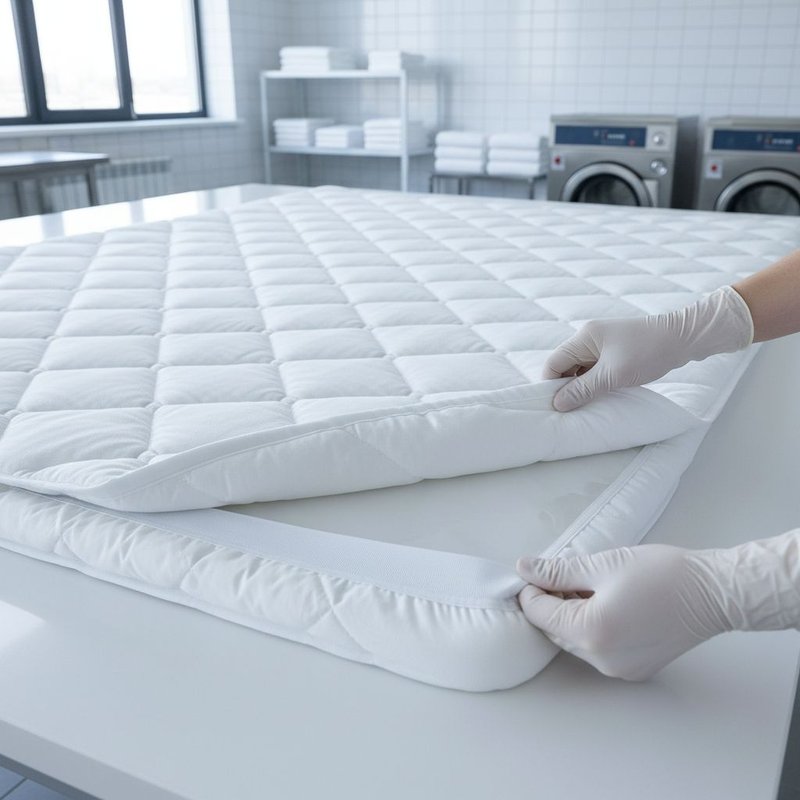
Cover inspection
We start by checking the size, fabric type, and waterproof layer. We identify stains: sweat, blood, urine, beverages. We check the condition of elastic bands and zippers. Based on this, we select a washing programme tailored to your specific cover.
- Step 2
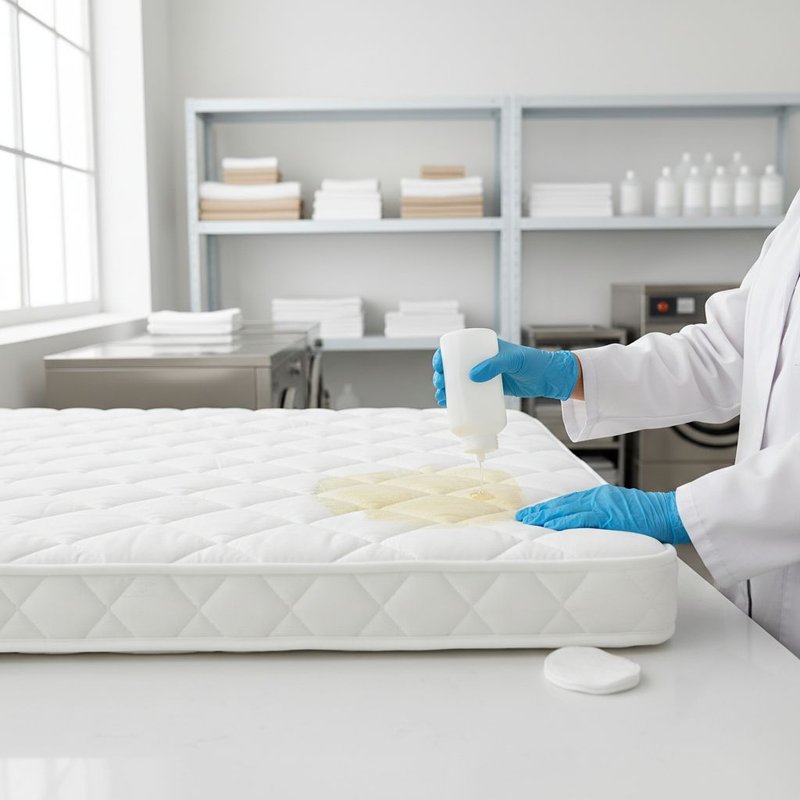
Stain removal
Organic stains require enzymes that break down proteins. We use agents matched to the stain type. Different agents work for sweat, different for blood. Each stain is treated individually before the main wash to prevent it from setting into the fabric during the cycle.
- Step 3
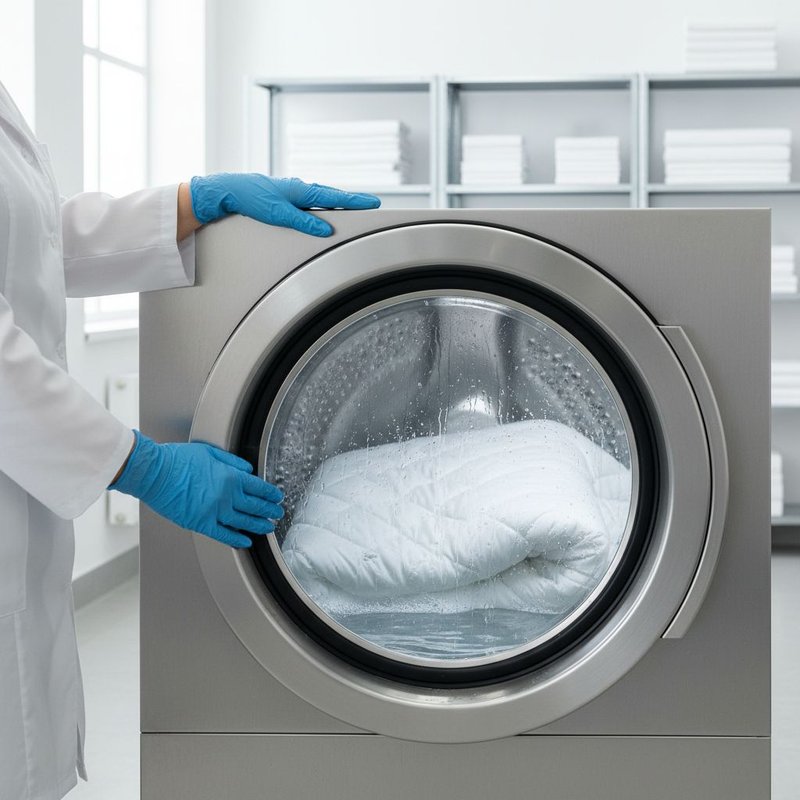
Large machine washing
The cover goes into a 15-kilogram industrial washer with a drum large enough for the material to rinse freely. We wash at a maximum of 60°C. This temperature is hot enough to kill dust mites, but safe for the membrane. We use gentle detergents without chlorine bleach.
- Step 4
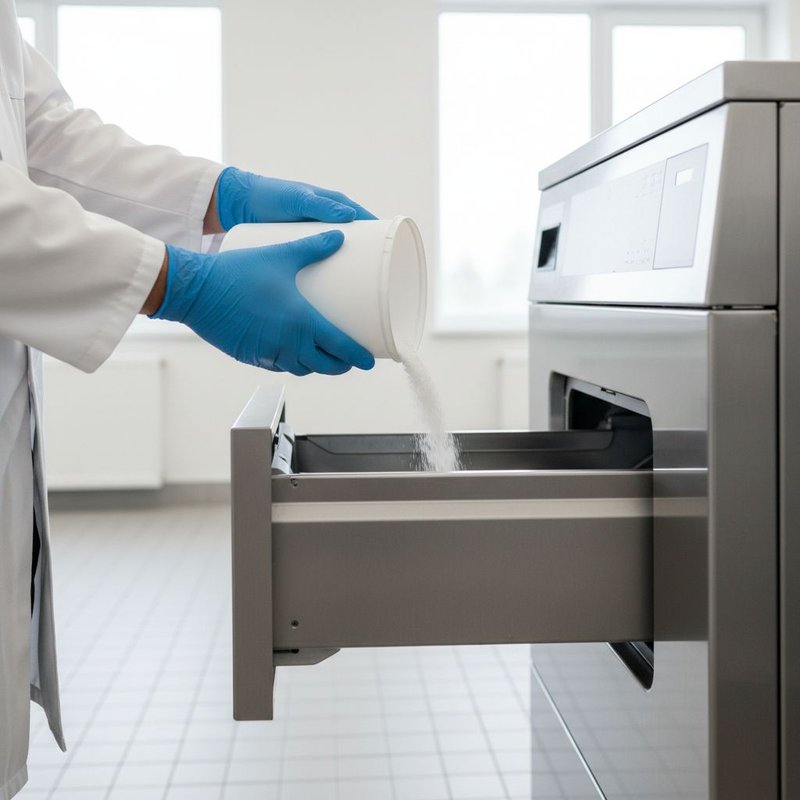
Anti-mite sanitisation
We add a specialised antibacterial and acaricidal agent that eliminates dust mites, their eggs, and allergens. This is crucial for allergy sufferers. Dust mites live in mattresses and covers, feeding on shed skin. After sanitisation, your cover is hygienically clean.
- Step 5
Low-temperature drying
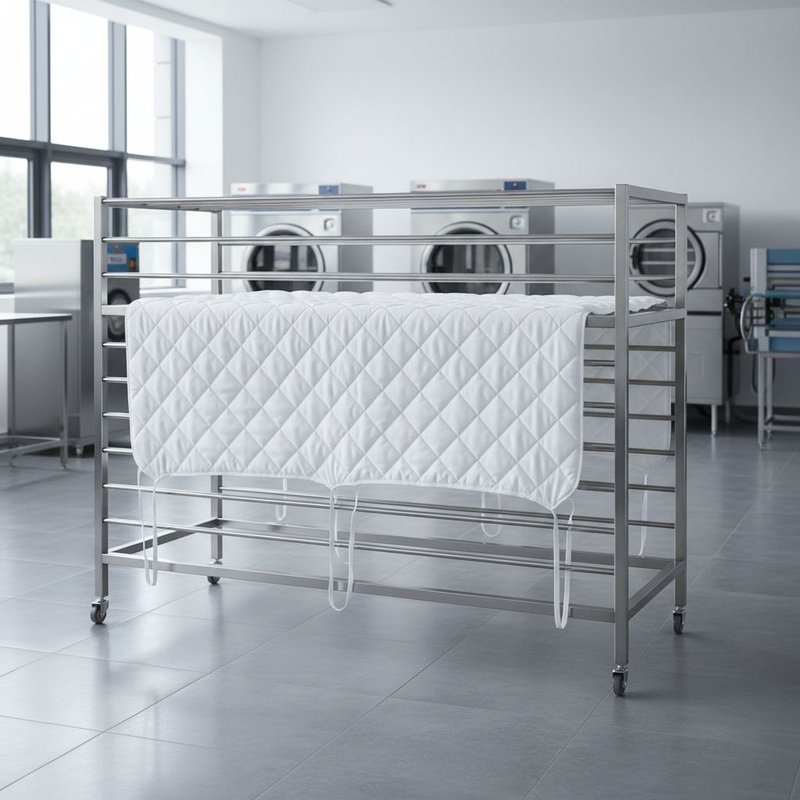
A wet cover dried in a high-heat tumble dryer will shrink and lose waterproofing. That's why we either air-dry or use low heat (max 40°C) with intermittent tumbling. The elastic doesn't stretch, the membrane doesn't crack, the size doesn't change.
- Step 6
Quality control
Before returning your cover, we check that it has retained its size, that the elastic is still flexible, that there are no stains, and that the membrane hasn't been damaged (waterproofing test). We pack it in a breathable plastic bag that protects cleanliness during transport.


Why our clients trust us
We specialise in washing large, demanding household textiles in Lublin.
Allergen elimination
We use acaricidal and antibacterial agents that remove dust mites and their allergens. Your cover is hygienically clean and safe for allergy sufferers.
Material knowledge
We know how to wash covers with polyurethane membranes, polyethylene, terry cloth, jersey. Each material requires a different programme, temperature, and detergent.
Large industrial machines
We have 15-kilogram washers that easily accommodate covers even from very large mattresses. Your cover won't be cramped, just evenly washed.
Quality guarantee
Every cover undergoes a double quality check. If anything doesn't meet our standards, we fix it at no extra cost.
Professional mattress cover washing
Full 6-step process. From inspection to anti-mite sanitisation and quality control. Pickup and delivery available in Lublin.
Price from
70 PLNPrice depends on size and level of soiling
See also our other services
What our clients say
Google Maps reviews from clients who entrusted us with their mattress covers.
"For years I struggled with dust mite allergy. Every morning I woke up sneezing with itchy eyes. My doctor recommended washing covers every 2-3 months, but my machine was too small. At Gorące Żelazko they wash everything. They picked up, washed, and delivered a clean cover in 2 days. I've been sleeping peacefully ever since."
"I run Airbnb apartments and wash covers every week. I have over a dozen of them. I couldn't manage at home. At Gorące Żelazko I wash them all at once. Always clean, no stains, waterproof like new. I recommend to anyone running a hotel, guesthouse, or renting apartments."
Frequently asked questions about mattress cover washing
The questions our clients in Lublin ask most - about machine washing, temperature, drying and how often to wash.
Can I wash a mattress cover in a washing machine?
You can, if the cover has a zip and comes off the mattress - then it washes like any large textile. The catch is usually mundane: a wet cover from a 160 or 200 cm mattress weighs several kilograms and simply won't fit a home machine, and forced in it never rinses properly. Our 15 kg machines take it with room to spare.
What temperature should I wash a mattress cover at?
Maximum 60°C - hot enough to kill dust mites, but not so hot it damages the waterproof membrane. Go higher and you risk shrinking the fabric and delaminating the layer that protects your mattress from moisture. Check the care label: if the maker says less, we follow that. We wash without chlorine bleach, which ruins the coating and the elastic.
Can you tumble dry a mattress cover?
Carefully - the tumble dryer is the most common way to wreck a cover. High heat shrinks the fabric and delaminates the waterproof membrane, so the cover stops protecting the mattress. If you must tumble it, use cold or the lowest setting only. We air-dry or use max 40°C with breaks, so the size and waterproofing stay intact.
How much does mattress cover washing cost in Lublin?
Mattress cover washing starts from 70 PLN. The price mainly depends on size - a cover from a 90 cm mattress is a different job from a 200 cm one - plus how soiled it is and the type of stains. We quote after inspection. We also offer pickup and delivery within Lublin, which for something this big and heavy is usually what helps most.
How often should I wash my mattress cover?
Allergists recommend washing a mattress cover every 2-3 months, and more often if you have a dust-mite allergy. In practice: at least once a quarter, and straight away after illness, night sweats, or with a small child. Dust mites feed on shed skin and multiply in warmth, so changing the sheets isn't enough - the cover needs washing too.
Do you wash the mattress itself too?
No, we don't wash the mattress itself - we handle the removable cover that goes into the machine. On-site mattress cleaning by extraction is a different service we don't offer. If your cover has a zip and comes off, we'll wash it so it returns clean, refreshed and ready to put straight back on. Happy to sort the details in English.
Leave your cover in expert hands
Call us or visit us at ul. Wrońska 2 in Lublin. We will pick up your mattress cover and deliver it back clean, hygienically washed, and ready to use.