

Laundry services
Professional tablecloth washing
Your tablecloth in expert hands. Linen, cotton, damask, lace. We remove wine and wax stains, restore pristine whiteness, press on professional mangle. We pick up and deliver.
A tablecloth speaks louder than words
A snow-white, perfectly pressed tablecloth. It is the first thing guests notice even before they sit down. In a restaurant, it builds reputation. At home, it creates atmosphere. During Christmas Eve dinner, a communion celebration, or a grand family occasion. This piece of fabric carries the weight of tradition and expectations.
Then someone spills a glass of red wine. A candle tips over. Stains from grease, sauce, borscht. And then comes the question: wash it yourself risking shrinkage of that linen heirloom from grandma, or entrust it to someone who truly knows how to care for it?
Last updated:
Why home washing ruins tablecloths
Fabric shrinkage
Excessively high temperatures can make linen shrink noticeably. A large tablecloth can end up noticeably smaller and usually won't return to its original size. That heirloom linen tablecloth that served for decades can lose its size after just one unsuitable wash.
Stain setting
Hot water sets protein and tannin stains, such as wine, instead of letting them be removed. Grease is different: warm water usually makes it easier to remove, but washing it together with wine stains easily leads to the wrong temperature choice. Candle wax smeared in the washing machine can penetrate the entire tablecloth. After such a wash, the stain can become very hard to remove.
Yellowing of whites
The wrong detergent or incomplete rinsing causes buildup and yellowing of white tablecloths. Starch stored in the fabric for months oxidizes and turns pristine white into a greyish-beige shade.
At Gorące Żelazko laundry, every tablecloth goes through a 6-step washing process with individually selected temperature, detergents, and stain removal techniques. We have a professional mangle. The tablecloth is pressed evenly, without pulls. We remove wine, wax, and grease stains. We restore whiteness to old linen tablecloths. Optional starching. Restaurant stiffness or home softness.
6 steps to a snow-white tablecloth
Every tablecloth goes through a full professional care process: from fabric inspection to mangle pressing and quality control.
- Step 1
Inspection and stain mapping
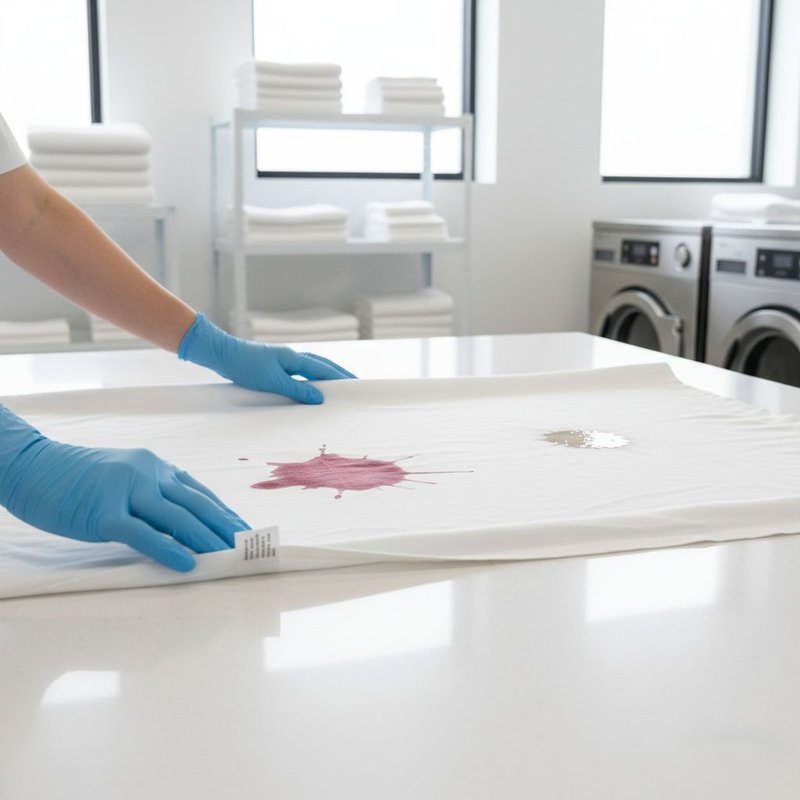
We spread the tablecloth on a table and conduct a thorough examination. We identify the material: linen, cotton, damask, lace. We map every stain: wine, candle wax, grease, sauce, coffee. We note its age and type, because each stain requires different chemistry. We check whether the tablecloth was washed before, if there are signs of shrinkage or damage.
- Step 2
Stain removal
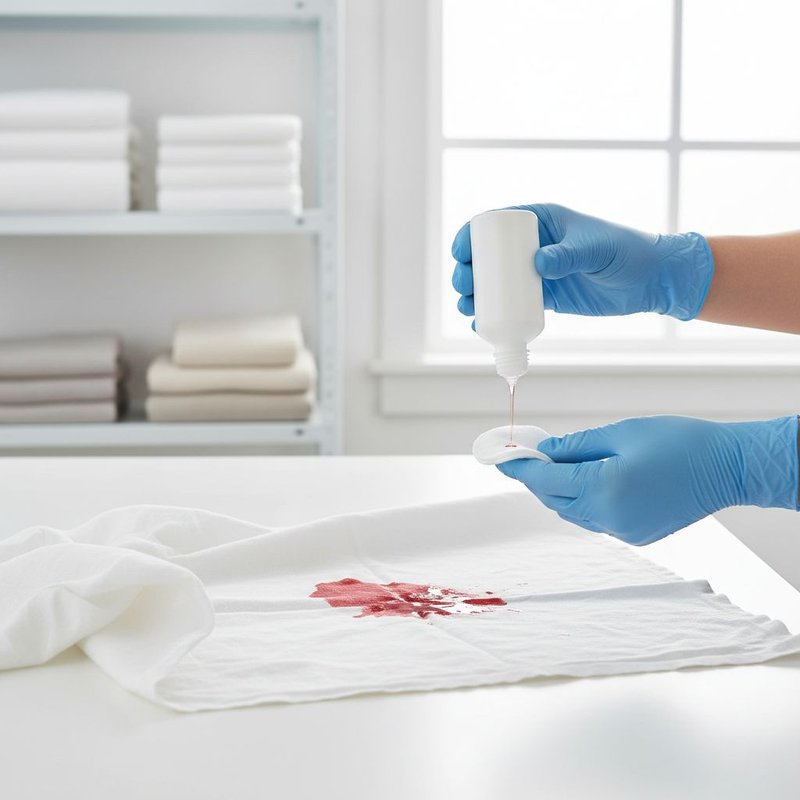
Red wine stains are treated with citric acid and hydrogen peroxide, a safe oxygen bleach. Candle wax is frozen, larger pieces mechanically removed, residue extracted by pressing through blotting paper. Grease stains are treated with solvent and detergent with lipase. Borscht, fruit juice are treated with glycerin solution. Each stain treated individually, spot by spot.
- Step 3
Professional washing
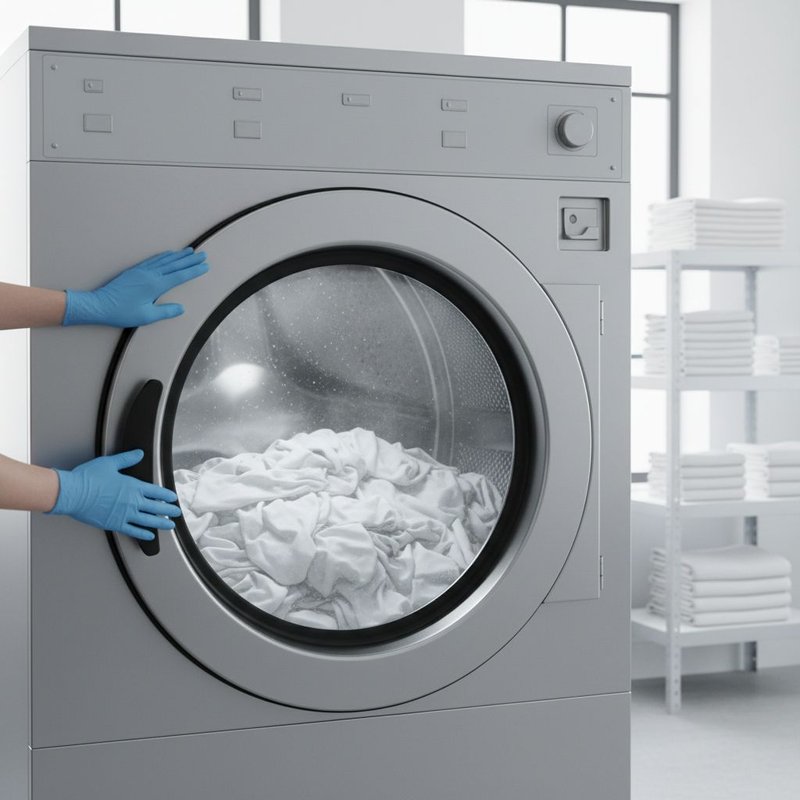
The tablecloth goes into an industrial washing machine with precise temperature and drum speed control. White linen is washed at 60°C with oxygen bleach. Coloured linen is washed at 40°C with colour-protecting agents. Damask and lace are washed in a delicate programme, minimal spinning. We select pH-neutral or slightly alkaline detergent, depending on the fabric.
- Step 4
Drying and shaping
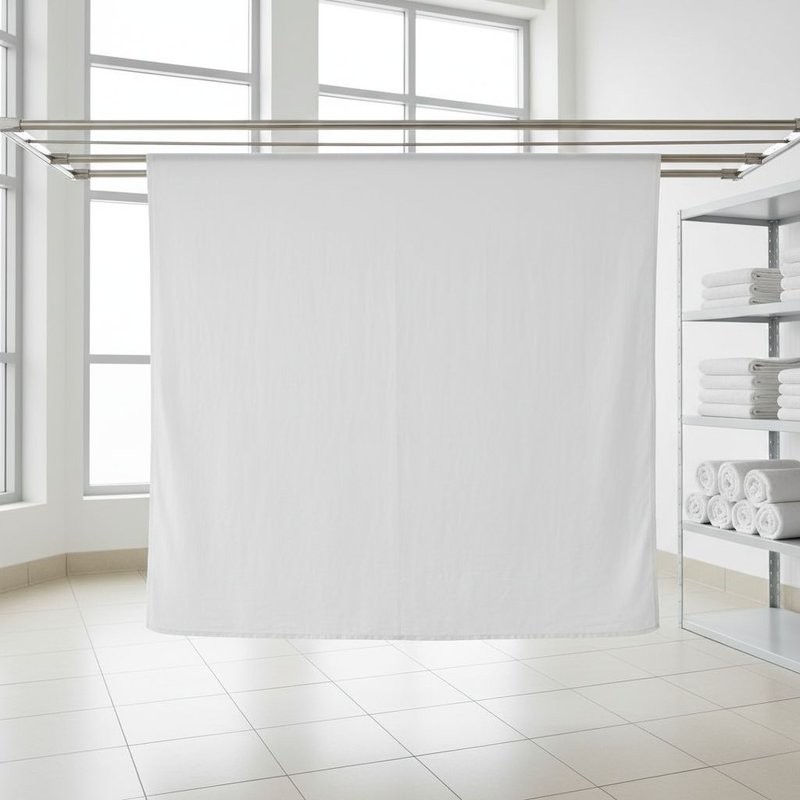
Wet fabric takes the shape it dries in. We hang the tablecloth on a special rack or lay it flat, without creases. The drying room is ventilated, away from direct heat sources. We never use a tumble dryer for linen. That guarantees shrinkage.
- Step 5
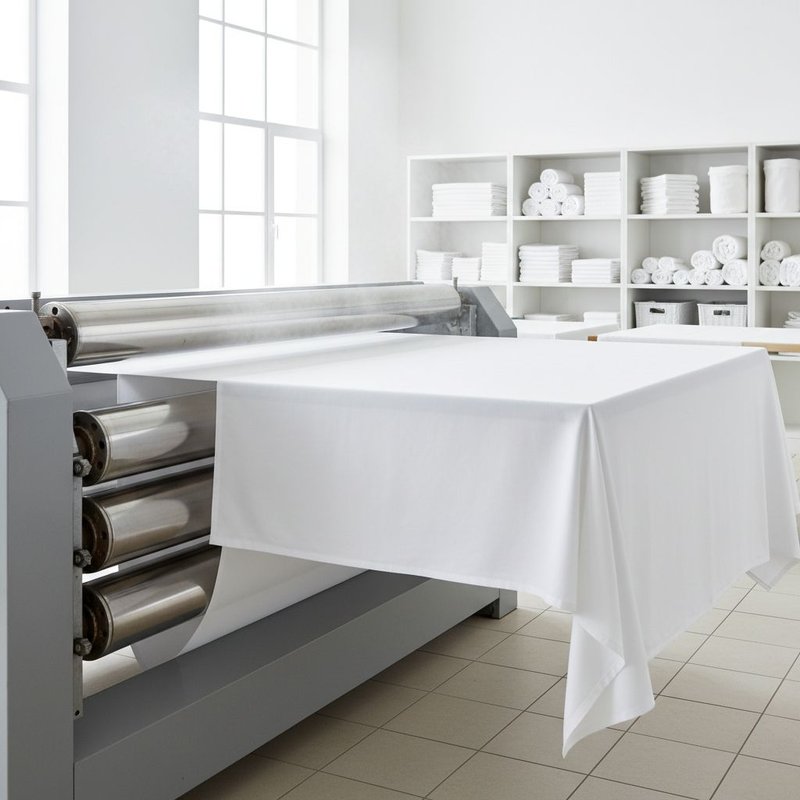
Mangle pressing
A professional mangle (calandra) with heated rollers presses the tablecloth evenly, without streaks or pulls. Temperature 180-200°C for linen and cotton, 160°C for blends. A 2×3 m tablecloth pressed on a mangle in 3 minutes. This is an effect you cannot achieve with a home iron even in an hour. Damask is pressed from both sides to bring out the pattern.
- Step 6
Quality control and packaging
Before returning, we check cleanliness, evenness of pressing, absence of pulls. We measure dimensions, especially with linen, to ensure no shrinkage occurred. The tablecloth is folded symmetrically, layered with tissue paper, and packed in a breathable fabric bag. Done. Snow-white, zero stains, perfect shape.



Why our clients trust us
Years of experience in professional fabric care in Lublin.
Years of experience
We have been caring for linen, cotton, damask, and lace tablecloths for years. We know the specifics of every material, from delicate silk to durable blends. We know how to remove wine stains without setting them and how not to shrink linen.
Whiteness restoration
We specialise in restoring pristine whiteness to old linen tablecloths. Soaking in oxygen bleach, optical brighteners, and pH control makes yellowing disappear. The tablecloth returns to its original white.
Next-day express
Christmas Eve in 3 days and your tablecloth has stains from last year? We offer an express service with 24-hour turnaround. We pick up and deliver to any address in Lublin.
Quality guarantee
Every tablecloth undergoes a double quality check. If a stain does not come out or anything does not meet our standards, we repeat the process at no extra cost.
Professional tablecloth washing
Full 6-step process: from inspection and stain removal to mangle pressing and quality control. Pickup and delivery available in Lublin.
Price from
30 PLNPrice depends on size, material, and level of soiling
See also our other services
What our clients say
Google Maps reviews from clients who entrusted us with their tablecloths.
"I delivered the tablecloths in the afternoon and they were ready the very next day, despite the large quantity. Recommend! :)"
Frequently asked questions about tablecloth washing
The questions we hear most - about wine stains, linen shrinking, the mangle, price, and pickup.
Can you remove an old red wine stain?
Usually yes. We treat wine with citric acid and oxygen bleach, spot by spot, before the tablecloth ever touches hot water - because heat sets grape pigment permanently. Fresh stains come out almost every time; with years-old, dried-in ones results vary, and we'll say so up front. Scrubbing at home usually just spreads the stain wider.
Will my linen tablecloth shrink?
Not with us. Linen can shrink over ten percent if it meets too high a temperature and a tumble dryer - a grandmother's heirloom can lose several centimetres for good. We match the temperature to the fibre, never tumble-dry linen, and measure the dimensions before and after, so nothing comes back smaller than it left.
How much does tablecloth washing cost?
Tablecloth washing starts from 30 PLN - the price depends on size, material, and how soiled it is. A small tablecloth costs differently than a large one for a big celebration, and mangle pressing is included. We give the exact quote after seeing it, with no surprises at pickup. The full list is in our price list.
Do you speak English, and can you pick up?
Yes - you can arrange everything in English. We also offer pickup and delivery across Lublin, which helps if you're hosting for Christmas or Thanksgiving and short on time: call us, we'll collect the tablecloth and bring it back clean and pressed. You can also drop it off in person at ul. Wrońska 2.
Do you press tablecloths on a mangle?
Yes, we press tablecloths on a professional mangle with heated rollers. A large cloth comes out flat, with no creases or pulls - a finish a home iron won't match even in an hour. Starching is optional: we can give it restaurant crispness or leave it home-soft, whichever you prefer.
Do you wash tablecloths for restaurants?
Yes, we work with restaurants and caterers - tablecloths, runners, and table linen on an ongoing basis, with regular pickup and delivery in Lublin. We agree on a rhythm that fits your venue and make sure the set comes back on time, evenly mangled. We set the details and pricing individually.
Leave your tablecloth in expert hands
Call us or visit us at ul. Wrońska 2 in Lublin. We will pick up your tablecloth and deliver it back clean, snow-white, perfectly pressed, ready for any celebration.